
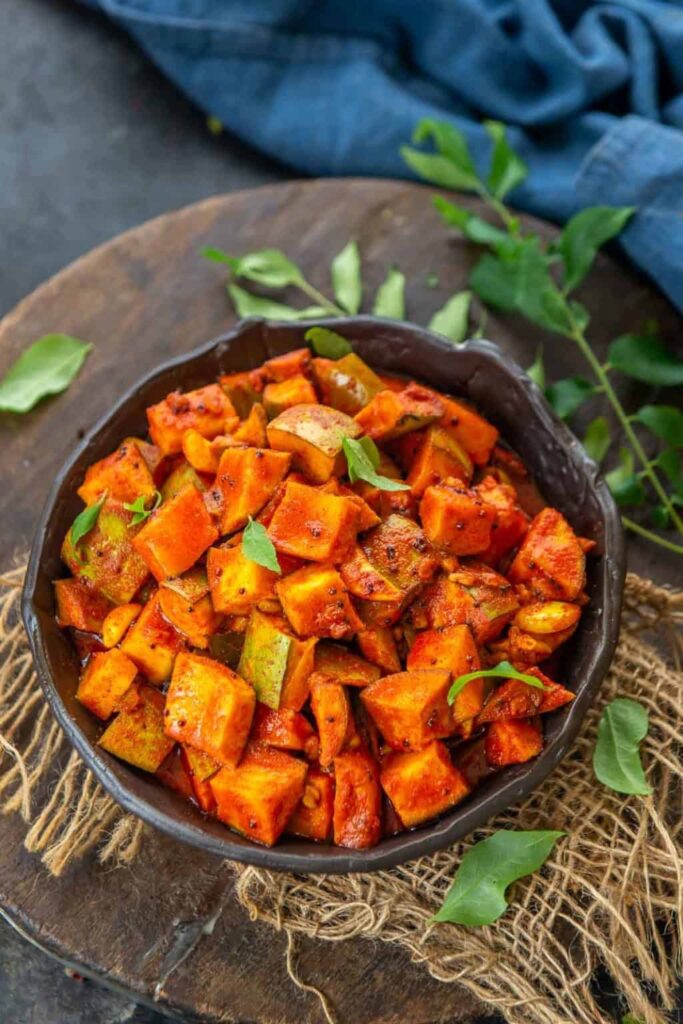
Mango pickle, or “Aam ka Achar,” is a popular condiment in many South Asian cuisines. Its tangy, spicy, and slightly sweet flavors make it a perfect accompaniment to various dishes. Here’s a detailed guide on how to make traditional mango pickle at home.
Ingredients
To make mango pickle, you’ll need the following ingredients:
- 1 kg raw mangoes
- 100 grams salt
- 100 grams mustard oil
- 25 grams mustard seeds (coarsely ground)
- 25 grams fenugreek seeds
- 25 grams fennel seeds
- 25 grams nigella seeds (kalonji)
- 25 grams cumin seeds
- 50 grams red chili powder
- 25 grams turmeric powder
- 25 grams asafoetida (hing)
- 100 grams jaggery (optional, for a sweet-tangy flavor)
Instructions
Step 1: Prepare the Mangoes
- Select the Mangoes: Choose firm, raw mangoes. Wash them thoroughly and dry them completely with a clean cloth to remove any moisture.
- Cut the Mangoes: Cut the mangoes into bite-sized pieces. Discard the seeds.
- Salt the Mangoes: Place the mango pieces in a large bowl. Add salt and mix well. Let the salted mango pieces sit for 6-8 hours or overnight. This process helps to draw out moisture from the mangoes.
Step 2: Prepare the Spice Mix
- Roast the Seeds: Dry roast the mustard seeds, fenugreek seeds, fennel seeds, nigella seeds, and cumin seeds in a pan over low heat until they release a fragrant aroma. Let them cool.
- Grind the Spices: Coarsely grind the roasted seeds. This mix forms the base of your pickle’s seasoning.
Step 3: Combine Ingredients
- Drain the Mangoes: Drain the water released by the salted mangoes. Pat them dry with a clean cloth to remove any excess moisture.
- Mix the Spices: In a large mixing bowl, combine the dried mango pieces, ground spice mix, red chili powder, turmeric powder, and asafoetida. Mix well to ensure that the mango pieces are evenly coated with the spices.
Step 4: Add Oil
- Heat the Oil: In a separate pan, heat the mustard oil until it starts to smoke. Turn off the heat and let the oil cool down to a lukewarm temperature.
- Mix the Oil: Pour the lukewarm oil over the mango mixture. Mix thoroughly to coat the mango pieces with the oil and spices. Ensure that all the pieces are well-covered to preserve the pickle.
Step 5: Optional Sweetening
- Add Jaggery: If you prefer a sweet-tangy flavor, melt the jaggery and mix it into the pickle at this stage. Ensure that it is evenly distributed.
Step 6: Store and Ferment
- Sterilize Jars: Sterilize glass jars by washing them in hot water and drying them completely.
- Fill the Jars: Transfer the mango pickle into the sterilized jars. Ensure there is enough oil to submerge the mango pieces, as this prevents spoilage.
- Sun Dry: Close the jars tightly and place them in a sunny spot for 7-10 days. Shake the jars daily to mix the contents. The sunlight helps in the fermentation process and enhances the flavors.
Storage and Serving
After the sun-drying period, your mango pickle is ready to be enjoyed. Store the jars in a cool, dry place. The pickle can be kept for several months, and its flavor will improve over time. Serve mango pickle as a condiment with rice, bread, or any of your favorite dishes.
Tips for the Best Mango Pickle
- Dry Ingredients Thoroughly: Ensure that all the ingredients, including mangoes and spices, are completely dry to prevent spoilage.
- Use Mustard Oil: Mustard oil not only adds flavor but also acts as a preservative. If unavailable, substitute with another oil but the taste may differ.
- Adjust Spice Levels: The amount of chili powder can be adjusted to suit your heat preference.
Enjoy your homemade mango pickle, a tangy and spicy treat that adds a burst of flavor to every meal!

The creator behind this blog, and I’m thrilled to share my passion for vegetarian cooking with you.
Cooking has always been a joyful journey for me, filled with vibrant flavors, wholesome ingredients, and the creativity that comes with crafting delicious meals.
Growing up in a family where food was at the heart of every celebration, I learned the art of cooking from my mother and grandmother. Their recipes, steeped in tradition and love, inspired me to explore and experiment in the kitchen. Over the years, I’ve developed my own unique style, blending traditional and contemporary flavors to create vegetarian dishes that are both nutritious and delightful.