
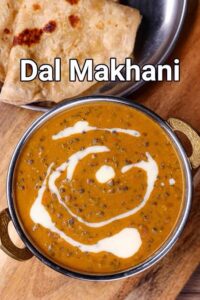
Dal Makhani is a rich, creamy, and flavorful dish from the Punjabi cuisine of India. Known for its buttery texture and aromatic spices, this lentil-based dish has become a favorite worldwide. Here’s a step-by-step guide to making the perfect Dal Makhani at home.
Ingredients
For the Dal:
- 1 cup whole black lentils (urad dal)
- 1/4 cup red kidney beans (rajma)
- 4 cups water
- Salt to taste
For the Gravy:
- 2 tablespoons ghee (clarified butter) or oil
- 1 large onion, finely chopped
- 2 teaspoons ginger-garlic paste
- 2 large tomatoes, pureed
- 2 green chilies, slit (optional)
- 1/2 teaspoon turmeric powder
- 1 teaspoon red chili powder
- 1 teaspoon cumin seeds
- 1 teaspoon garam masala
- 1 teaspoon coriander powder
- 2 tablespoons butter
- 1/2 cup heavy cream
- Fresh cilantro leaves, chopped (for garnish)
Instructions
1. Preparing the Dal
- Soak the Lentils and Beans: Rinse the whole black lentils and red kidney beans thoroughly. Soak them in enough water overnight or for at least 8 hours.
- Cook the Lentils and Beans: Drain the soaked lentils and beans. In a pressure cooker, add the lentils, beans, and 4 cups of water. Pressure cook for 6-7 whistles or until they are soft and cooked through. If using a regular pot, simmer them until they are tender but not mushy. This may take 45-60 minutes.
2. Making the Gravy
- Heat the Ghee: In a large pan or skillet, heat 2 tablespoons of ghee over medium heat.
- Cook the Onions: Add the finely chopped onions and sauté until they turn golden brown.
- Add Ginger-Garlic Paste: Add the ginger-garlic paste and sauté for another 2-3 minutes until the raw smell disappears.
- Tomato Puree: Add the tomato puree and cook until the oil separates from the mixture, stirring occasionally.
- Spices: Add the turmeric powder, red chili powder, cumin seeds, garam masala, and coriander powder. Cook for 2-3 minutes, allowing the spices to blend well.
3. Combining Dal and Gravy
- Mix Cooked Dal and Beans: Add the cooked dal and beans to the gravy mixture. Stir well to combine.
- Simmer: Add salt to taste and let the dal simmer on low heat for about 30-40 minutes. Stir occasionally to prevent it from sticking to the bottom. The longer it simmers, the better the flavors will meld.
4. Final Touches
- Butter and Cream: Add 2 tablespoons of butter and 1/2 cup of heavy cream. Stir well to combine and let it cook for another 10 minutes. This will give the dal its rich and creamy texture.
- Adjust Consistency: If the dal is too thick, add a little water to achieve your desired consistency.
- Garnish: Garnish with fresh cilantro leaves.
Serving Suggestions
Dal Makhani is traditionally served with:
- Naan: Soft, fluffy Indian bread.
- Rice: Steamed basmati rice or jeera rice (cumin rice).
- Paratha: Layered flatbread, which is perfect for soaking up the rich gravy.
Tips for the Perfect Dal Makhani
- Slow Cooking: The key to a great Dal Makhani is slow cooking. Letting it simmer for a longer time enhances the flavors.
- Butter and Cream: Don’t skimp on butter and cream if you want an authentic taste. They provide the dish’s signature richness.
- Spices: Adjust the spices according to your heat tolerance and taste preferences.
- Overnight Rest: Like many Indian dishes, Dal Makhani tastes even better the next day after the flavors have had time to meld together.
Conclusion
Dal Makhani is a comforting and satisfying dish that brings the flavors of Indian cuisine right to your table. With its creamy texture and aromatic spices, it’s sure to become a favorite. Follow this recipe to create a delicious, authentic Dal Makhani that will impress your family and friends. Enjoy!

The creator behind this blog, and I’m thrilled to share my passion for vegetarian cooking with you.
Cooking has always been a joyful journey for me, filled with vibrant flavors, wholesome ingredients, and the creativity that comes with crafting delicious meals.
Growing up in a family where food was at the heart of every celebration, I learned the art of cooking from my mother and grandmother. Their recipes, steeped in tradition and love, inspired me to explore and experiment in the kitchen. Over the years, I’ve developed my own unique style, blending traditional and contemporary flavors to create vegetarian dishes that are both nutritious and delightful.